ServicesRoof Replacement
Roof Replacement in El Mirage
When repairs stop making sense, we take the old roof down to the deck and build a new system that suits your home. You get a written estimate before any work starts, a clean site when we leave, and a return visit to check the roof and explain how to look after it.
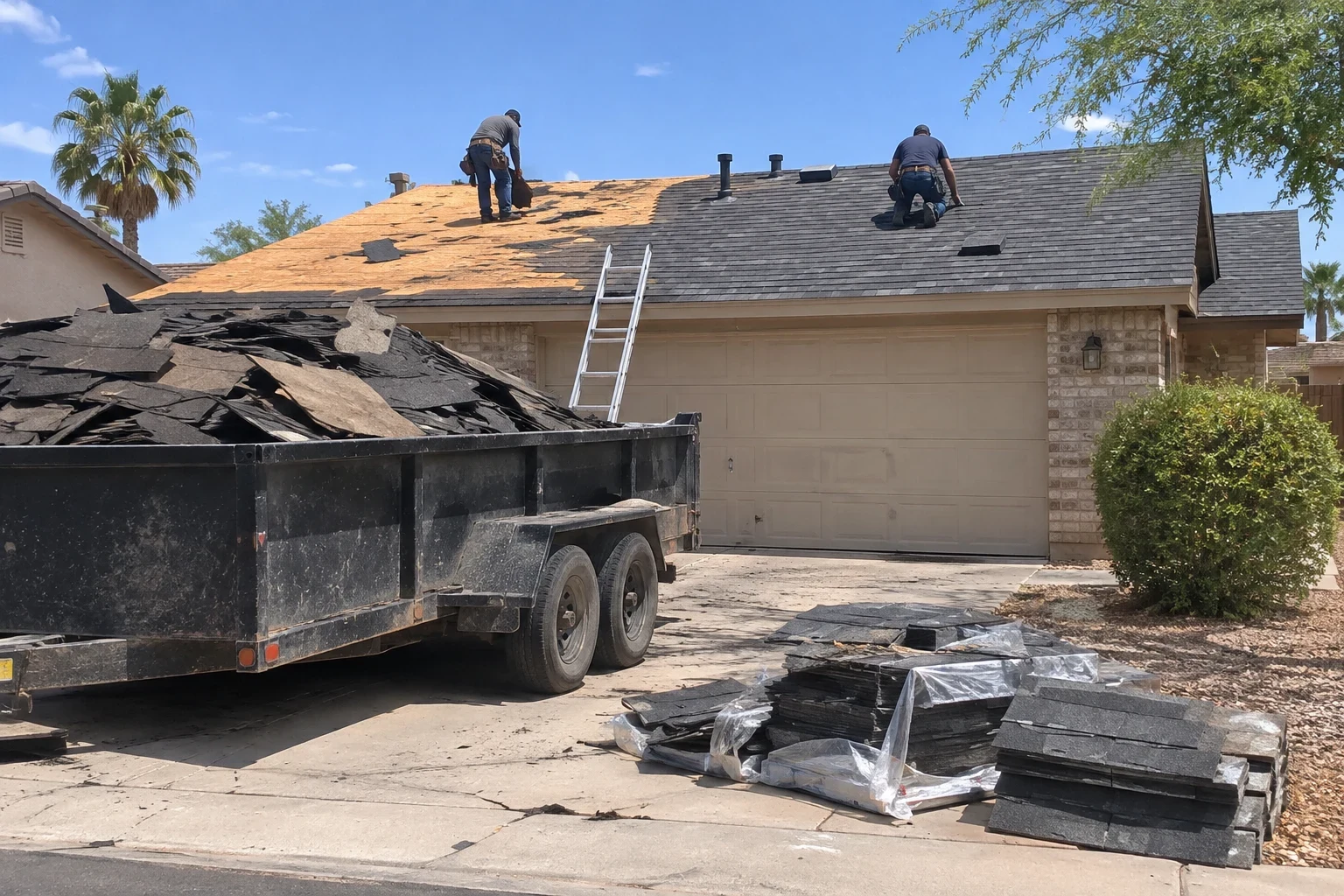
When Replacing Beats Repairing
A roof is a system: decking, underlayment, flashing, vents and the visible covering on top. Replacement makes sense when the layer that keeps water out has worn through across the roof, not just in one spot. On many tile roofs the tiles themselves are fine while the felt underneath has dried, cracked and stopped shedding water. On shingle and foam roofs, years of sun break down the surface until patching only moves the leak.
We will tell you plainly whether you need a full replacement or whether roof repair will buy you good years. If a repair is the honest answer, that is what we recommend.
What sets our work apart comes after the last ladder is down. We come back once the roof has been through some real weather, look it over with you, and leave you with simple care notes for the material you chose.
What a Replacement Includes
- Full tear-off to the deck
- We remove the old covering, underlayment and worn flashing so nothing hidden carries over into the new roof.
- Deck check and repair
- Once the deck is bare we look for soft, delaminated or rotted sheathing. Damaged boards are replaced, and we show you photos before covering them.
- New underlayment and flashing
- Fresh underlayment goes down rated for the material on top, along with new flashing at walls, chimneys, pipes and valleys. Most leaks start at these transitions, so we take our time here.
- Your choice of roofing material
- We install tile, shingle, foam and flat roof systems. Concrete tile can often be reused if it is sound, which keeps the look of your home and reduces material cost.
- Ventilation and edge details
- We set intake and exhaust vents so the attic can shed summer heat, and finish drip edges and terminations cleanly.
- Permit, cleanup and care notes
- We pull the permit, sweep the yard and driveway with magnets for nails, and hand you written care notes for your new roof.
When a Repair No Longer Covers It
Water stains in several rooms
One drip near a vent pipe can be fixed in place. Stains appearing on ceilings across different parts of the house usually mean the protective layer under the covering has failed everywhere.
Felt that crumbles or shows through
On a tile roof, underlayment that breaks apart when touched, or that you can see where tiles have shifted, is near the end of its life even if the tiles look fine.
Shingles cupping, splitting or bald
Once shingles curl at the edges, crack, or lose most of their granules, the mat underneath is left open to sun and rain.
Foam that blisters or gives underfoot
Blisters across much of the surface, coating worn through to bare foam, or spots that feel soft when stepped on generally mean a recoat will not bring the roof back.
A dip in the roofline
A low area between rafters points to a deck that has been soaking up water for a while. It deserves a look sooner rather than later.
How the Job Runs
- 1
A conversation and a visit
You phone us, describe what you have noticed, and we agree on a time to come by. We look at the roof and attic, take photos, and explain our findings without jargon.
- 2
Written estimate and permit
You receive a line-item estimate that covers materials, deck work allowances and disposal. When you approve it, we pull the permit and put the job on the calendar.
- 3
Tear-off and rebuild
We cover plants, pool equipment and exterior walls, then strip the old roof in sections so no part of the deck sits exposed longer than it must. During the hottest months our crews start at first light, which is better for them and for the materials.
- 4
Wrap-up with you
Once the permit inspection is signed off, we tour the yard and roofline together, finish the cleanup, and review the care notes for your new roof.
- 5
Our return visit
A few weeks later, often after the first good rain, we stop back to check flashing, vents and fasteners. Every job we do includes this follow-up, and it is a natural moment to raise any new questions.
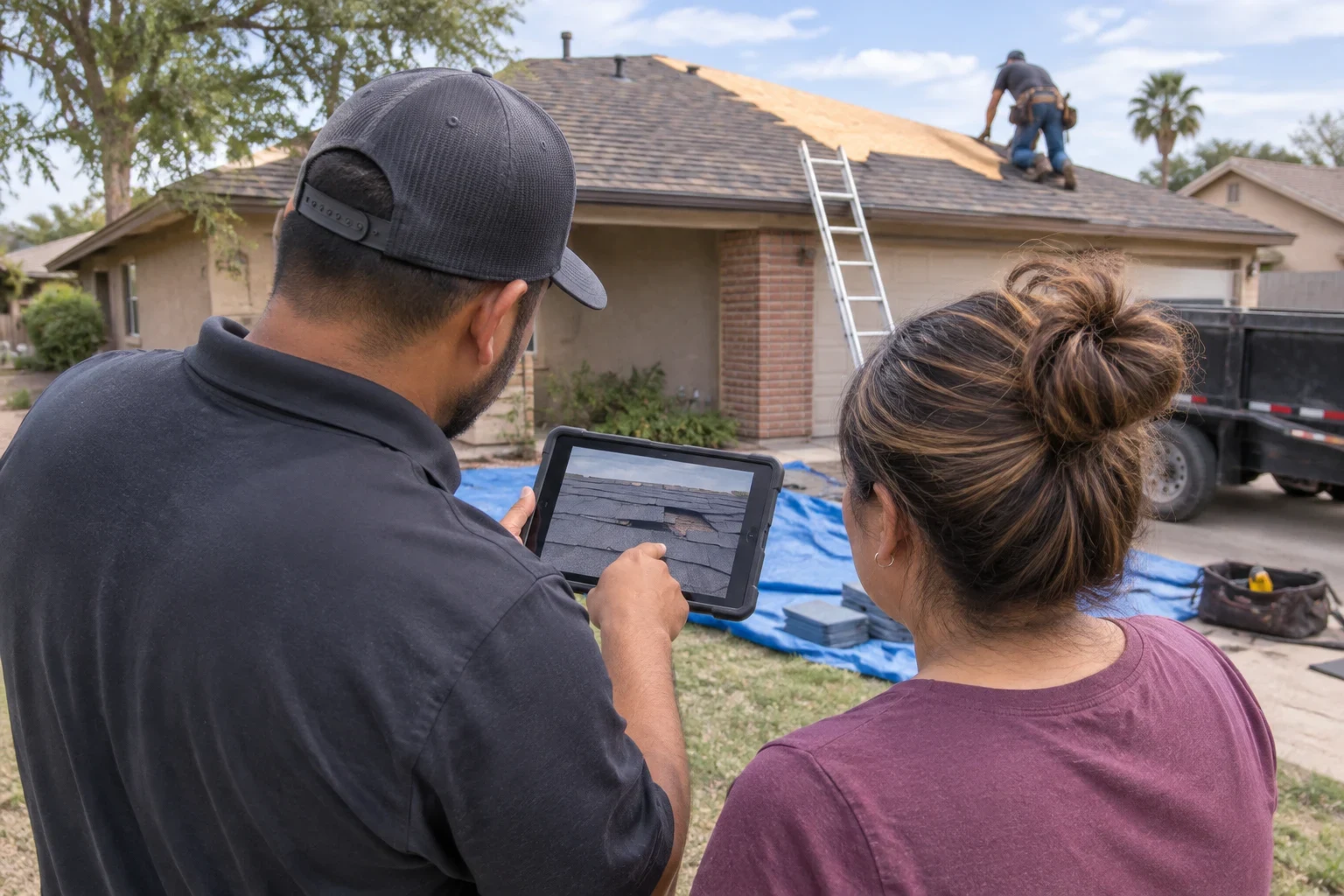
What Moves the Price
Every roof is priced on its own measurements and conditions. Your written estimate shows each line so you can see where the money goes. These are the factors that change it most.
- Size and pitch
- More squares of roof mean more material and labor. Steep pitches need extra safety setup and move more slowly.
- Material choice
- Tile, shingle, foam and flat membrane systems differ in material cost and install time. Reusing sound concrete tile can lower the total.
- Condition of the deck
- Rotted or soft sheathing has to be replaced. We cannot know the full extent until the old roof is off, so the estimate lists it as a clear per-sheet allowance rather than a surprise.
- Layers and access
- A second layer of old shingles to remove, tight side yards, or limited spots for the dumpster all add time.
- Permits and details
- Permit fees, added vents, skylight flashing and chimney work are each shown as their own line.
Common Questions About Replacing a Roof
Something not covered here? (623) 462-1657
Can my current tiles go back on the new roof?
Often they can. Concrete tile usually lasts longer than the felt beneath it, so we take the tiles off, install new underlayment and flashing, and set them back in place. Any cracked tiles are set aside, and we find replacements that match as closely as current stock allows.
Will my home be left open to the weather?
Not for long, and never overnight. We strip one section at a time, and every bare area is covered with underlayment before the crew goes home each evening. Most people keep living in the house as normal throughout the job.
Do I have to be home during the work?
You do not need to stay all day. It helps to have you there on the first morning so we can review the plan together, and at the end when we look over the finished roof with you. The tear-off makes a lot of noise, so dogs and cats may be happier away from the house that day.
What do you check when you come back?
After the roof has settled and seen some weather, we return to inspect sealants, pipe and vent penetrations, and the edges, and to answer any questions you have collected. If a small adjustment is needed, we take care of it while we are there.
Is replacement a good time to change materials?
Sometimes it is. A low-slope area may hold up better under foam or a flat roof system, and a pitched shingle roof can move to tile for a longer service life. We explain how the options compare on weight, upkeep and cost, and you make the call.
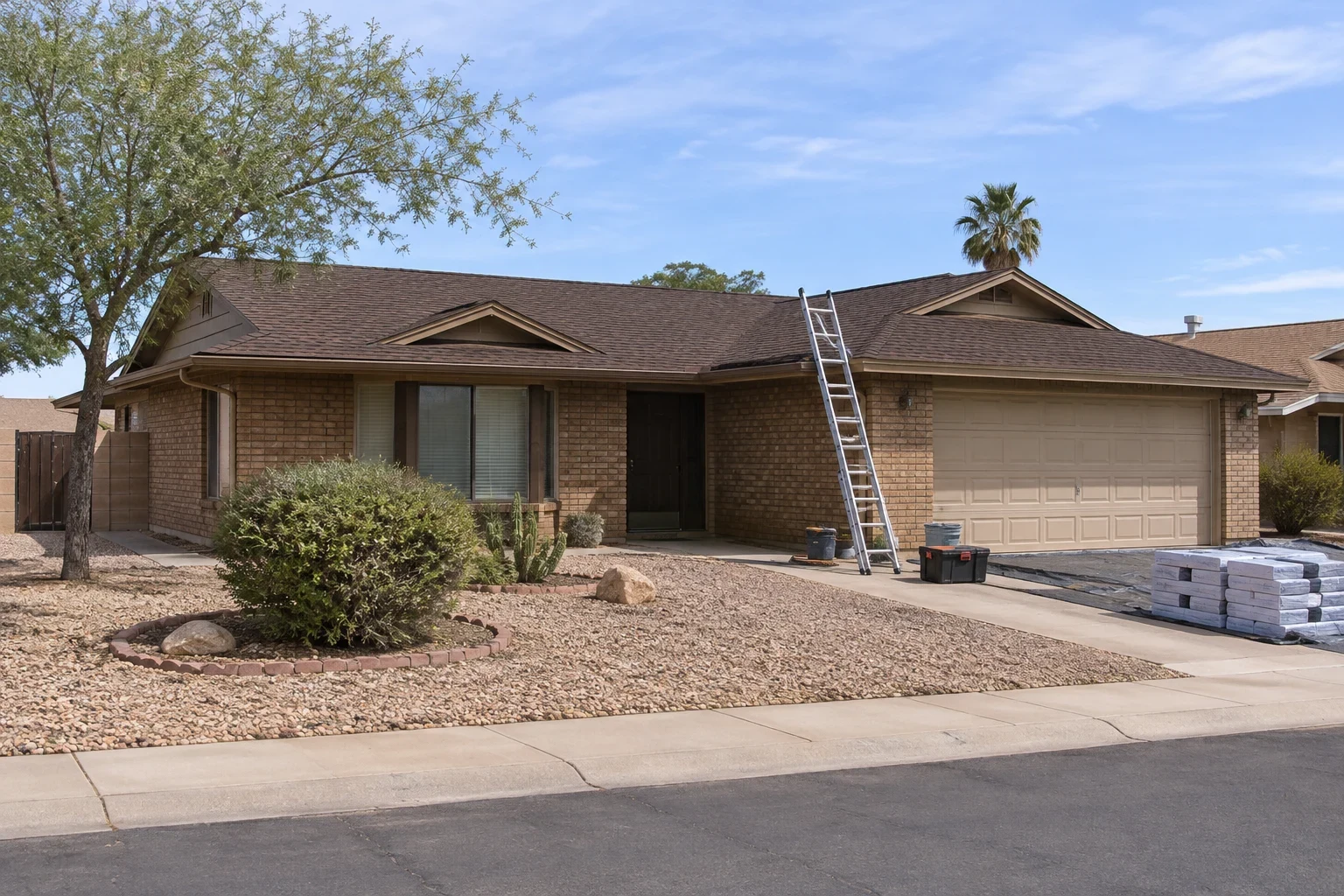
Plan Your New Roof With Us
Give us a ring and describe the leaks, stains or worn spots that have you thinking about a new roof. We will arrange a visit, put the estimate in writing, and keep in touch long after the crew has packed up.